
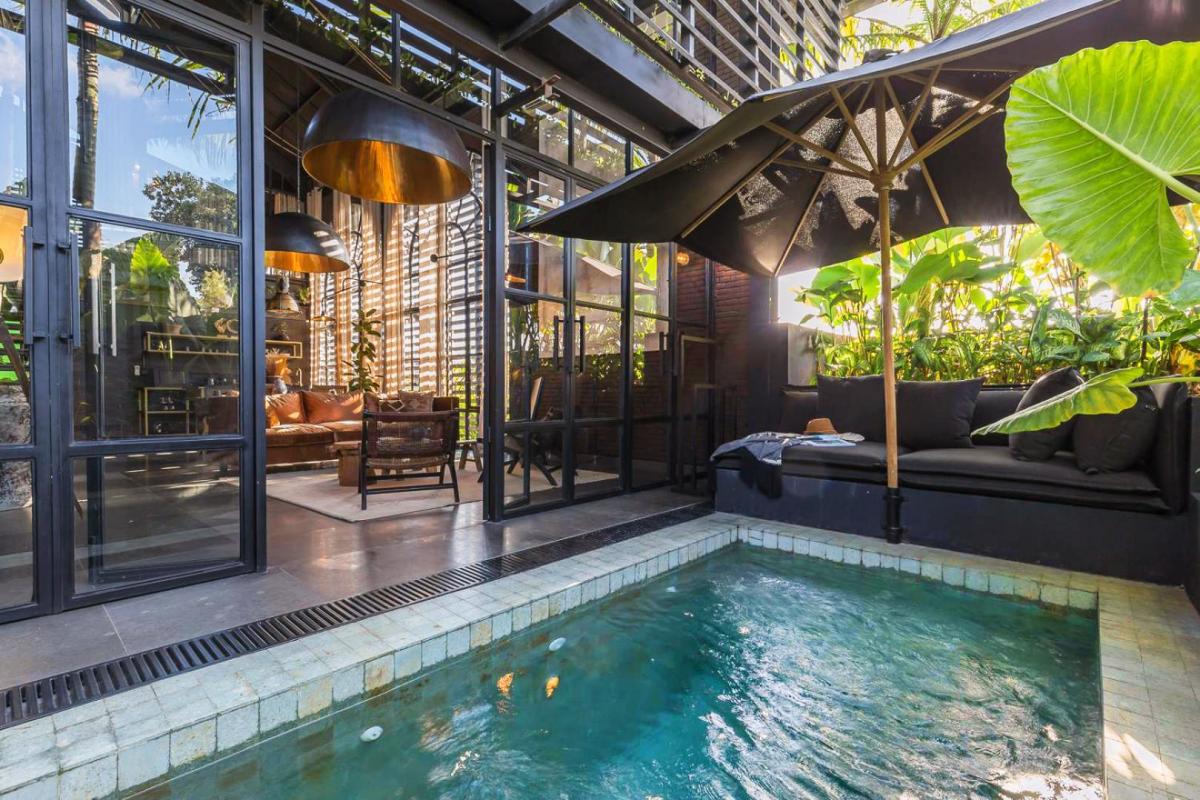
Beyond the Beach: Discovering the Pinnacle of Luxury Hotel Bali Experience is not just about sun, sand, and sea. While Bali’s beaches are undeniably breathtaking, the island offers a world of opulence, sophistication, and exclusive experiences that extend far beyond the shoreline. From private villas nestled in lush jungles to five-star resorts perched on cliff edges, Bali has become a global destination for those seeking the ultimate in luxury accommodations. This article delves into the most exceptional luxury hotels in Bali, exploring what makes them stand out, their unique offerings, and why they are considered the pinnacle of the island’s hospitality industry.
The Evolution of Luxury in Bali
Bali’s transformation into a luxury travel hotspot began decades ago, but it was in the early 2000s that the island started to attract high-profile international guests. Initially known for its cultural heritage and natural beauty, Bali gradually evolved into a playground for the elite, with an increasing number of luxury hotels opening to cater to discerning travelers. These establishments brought with them world-class amenities, personalized services, and architectural designs that harmonized with the island’s environment. Today, Bali’s luxury hotel scene is a blend of traditional Balinese aesthetics and modern sophistication, offering guests an experience that is both immersive and indulgent.
The rise of luxury hotels in Bali can be attributed to several factors, including the island’s unique geography, rich cultural tapestry, and strategic location. Bali’s diverse landscapes—from volcanic mountains to serene rice paddies—provide a stunning backdrop for high-end accommodations. Additionally, the island’s reputation as a wellness and spiritual retreat has made it an attractive destination for those seeking not only comfort but also rejuvenation. As a result, luxury hotels in Bali have expanded their offerings to include spa treatments, meditation sessions, and culinary experiences that reflect the island’s deep-rooted traditions.
Architectural Marvels: Design That Blends With Nature

One of the defining characteristics of luxury hotels in Bali is their seamless integration with the natural environment. Unlike conventional resorts that often prioritize modernity over harmony with nature, many of Bali’s top luxury properties are designed to complement the island’s landscape rather than overshadow it. This philosophy is evident in the architecture, which often features open-air structures, natural materials, and elements that mimic the surrounding environment.
For instance, the Four Seasons Resort Bali at Jimbaran Bay is a prime example of this design approach. The resort is built on a cliff overlooking the Indian Ocean, with its villas constructed using local wood and stone, creating a sense of continuity between the man-made structures and the natural terrain. Similarly, Amankila in Nusa Lembongan showcases a minimalist aesthetic that emphasizes space, light, and tranquility, allowing guests to feel immersed in the island’s beauty without being distracted by artificial elements.
Another notable example is COMO Uma Ubud, which blends contemporary design with traditional Balinese influences. The resort’s layout follows the contours of the land, with open-air lounges and private pools that offer panoramic views of the surrounding jungle. This attention to detail ensures that every guest feels connected to the island’s natural rhythms, enhancing the overall luxury experience.
Personalized Services: Tailoring the Experience
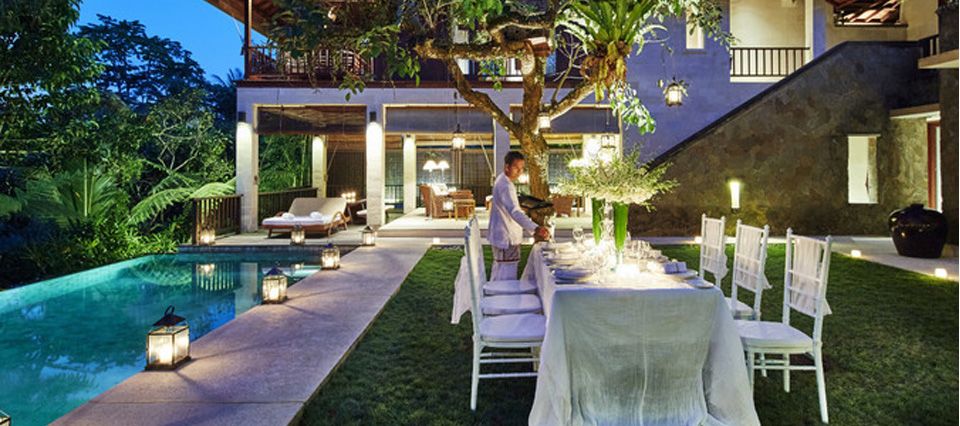
Luxury in Bali is not just about the physical spaces; it is also about the level of service provided. Top-tier hotels in the region go above and beyond to ensure that each guest receives a tailored experience that meets their individual preferences. From private butler services to customized itineraries, these hotels are designed to cater to the needs of even the most demanding travelers.
Many luxury hotels in Bali offer personal concierge services that assist guests with everything from booking private tours to arranging exclusive dining experiences. For example, Amanwana in Sulawesi (though not in Bali, it exemplifies the standard of service found in the region) provides guests with dedicated staff who anticipate their needs and ensure that every aspect of their stay is seamless. In Bali, similar levels of service are offered by resorts such as Ayana Resort and Spa, where guests can request custom activities, from private yoga sessions to guided cultural tours.
Moreover, the concept of “personalization” extends to the food and beverage offerings. Many luxury hotels in Bali collaborate with renowned chefs to create menus that reflect the island’s culinary heritage while incorporating international flavors. Some resorts even offer private dining experiences, where guests can enjoy gourmet meals in secluded settings, such as on the beach or within the jungle.
Wellness and Rejuvenation: A Focus on Inner Harmony

In addition to their architectural and service excellence, luxury hotels in Bali are also renowned for their wellness programs. The island’s reputation as a wellness destination has led many high-end resorts to invest heavily in holistic health initiatives, offering guests a range of treatments and activities designed to promote physical, mental, and emotional well-being.
Spa facilities in Bali’s luxury hotels are among the best in the world, featuring traditional Balinese massage techniques, herbal treatments, and hydrotherapy options. The Six Senses Resort in Uluwatu, for instance, offers a comprehensive wellness program that includes yoga, meditation, and nutrition consultations. Guests can also take part in daily wellness activities, such as sunrise yoga sessions or guided nature walks, which help them connect with the island’s natural energy.
Beyond the spa, many luxury hotels in Bali incorporate wellness into their overall design. For example, the Mandapa, a Ritz-Carlton Reserve, is built around a sacred river and features a wellness center that integrates ancient healing practices with modern science. This approach ensures that guests leave not only relaxed but also rejuvenated, having experienced a true balance of luxury and well-being.
Culinary Experiences: A Taste of Bali’s Heritage

Dining is another crucial aspect of the luxury hotel experience in Bali. While the island is known for its vibrant street food culture, luxury hotels offer a more refined and curated approach to gastronomy. These establishments often feature Michelin-starred chefs, farm-to-table dining concepts, and innovative culinary experiences that showcase the best of Balinese and international cuisine.
One of the standout examples is the Bambu Indah, a boutique resort that emphasizes sustainability and organic living. The resort’s restaurant offers a menu that changes with the seasons, featuring locally sourced ingredients and traditional cooking methods. Another notable establishment is Santi Restaurant at Amankila, which serves contemporary Indonesian cuisine in a setting that reflects the island’s cultural richness.
In addition to fine dining, many luxury hotels in Bali provide unique culinary experiences, such as private chef dinners, cooking classes, and wine-tasting events. These offerings allow guests to engage with the local culture in a meaningful way, enhancing their overall stay.
Sustainability and Responsibility: The New Standard of Luxury
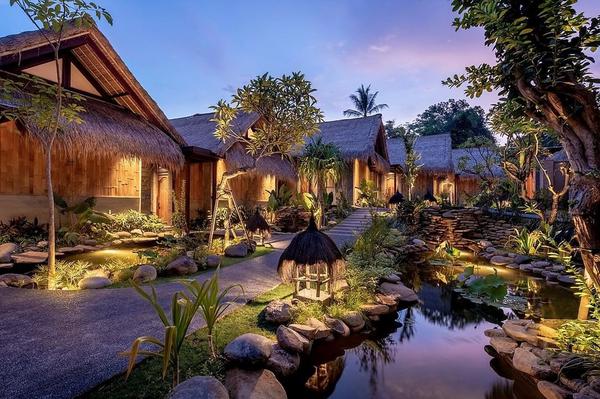
As the global travel industry becomes more conscious of its environmental impact, luxury hotels in Bali have also embraced sustainable practices. Many of the island’s top resorts now incorporate eco-friendly initiatives, such as solar energy systems, waste reduction programs, and partnerships with local communities. This shift towards sustainability not only aligns with global trends but also enhances the overall luxury experience by offering guests a more responsible and meaningful way to travel.
For example, the Alila Villas Uluwatu is committed to minimizing its carbon footprint through the use of renewable energy and water conservation techniques. The resort also supports local artisans by incorporating their crafts into the design of the property. Similarly, the Como Shambhala Estate in Ubud focuses on wellness and sustainability, offering guests a retreat that is both luxurious and environmentally conscious.
By integrating sustainability into their operations, these luxury hotels demonstrate that true opulence goes beyond material comforts—it also involves a commitment to preserving the natural and cultural heritage of the island.
Conclusion: The Future of Luxury Travel in Bali
Bali’s luxury hotel scene continues to evolve, driven by a combination of innovation, tradition, and a deep respect for the island’s environment. As travelers seek more meaningful and immersive experiences, the demand for high-quality accommodations that offer both comfort and authenticity is on the rise. The pinnacle of the Bali luxury hotel experience lies in its ability to seamlessly blend modernity with tradition, ensuring that every guest leaves with memories that transcend the ordinary.
Whether it’s the architectural brilliance, the personalized service, the wellness offerings, or the commitment to sustainability, Bali’s luxury hotels set a new standard for what it means to travel in style. For those looking to escape the mundane and indulge in the extraordinary, Bali remains one of the most captivating destinations in the world.