

Bali, known for its breathtaking landscapes, vibrant culture, and luxurious resorts, has become a top destination for travelers from around the world. However, in recent years, the island has introduced new local taxes that have significantly impacted the hospitality sector. These taxes, which are set to be implemented in 2025, are designed to fund infrastructure development, environmental conservation, and community welfare programs. For travelers planning their next trip to Bali, understanding these new taxes is essential to avoid unexpected costs and ensure a smooth booking process. The introduction of these taxes marks a shift in how Bali manages its tourism revenue, with a focus on sustainability and long-term benefits for both residents and visitors. As the implementation date approaches, it is crucial for tourists to familiarize themselves with the details of these taxes and how they may affect their travel budget.
Understanding the Bali Hotel Local Taxes 2025
The Bali Hotel Local Taxes 2025 are a series of additional charges that will be applied to hotel stays on the island. These taxes are part of a broader initiative by the Indonesian government to regulate tourism more effectively and ensure that the economic benefits of the industry are distributed fairly among local communities. The taxes are expected to be collected by hotels and passed on to the local authorities, who will use the funds for various public projects. The exact amount of the tax varies depending on the type of accommodation and the length of stay, but it is generally estimated to range from 10% to 20% of the total room rate. This means that travelers can expect an increase in their overall accommodation costs, which could impact their travel budget and the decision-making process when choosing where to stay. The implementation of these taxes is not only a financial consideration for tourists but also a reflection of Bali’s evolving approach to managing its tourism industry sustainably.
Impact on Travelers and Booking Decisions
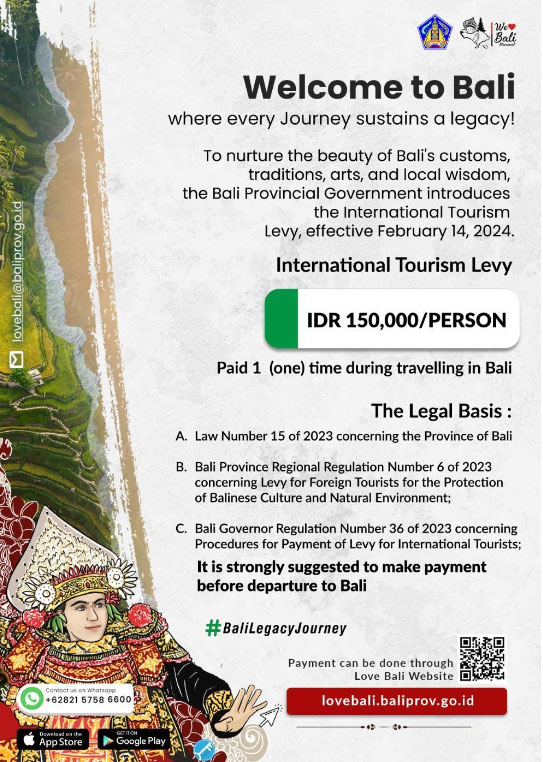
For travelers, the introduction of the Bali Hotel Local Taxes 2025 means that they need to adjust their expectations when planning a trip to the island. The additional cost associated with these taxes can vary significantly depending on the time of year, the location of the hotel, and the type of accommodation chosen. For example, luxury resorts may charge higher taxes compared to budget-friendly guesthouses, as the latter often operate under different regulatory frameworks. This variation in tax rates can influence travelers’ decisions, as some may opt for more affordable options to avoid the increased costs. Additionally, the taxes may also affect the availability of certain accommodations, as some hotels may choose to pass on the cost to guests through higher room rates or reduce the number of available rooms to maintain profitability. As a result, travelers should carefully review the pricing structure of their preferred accommodations and factor in the potential impact of these taxes when making their bookings. It is also advisable to contact the hotel directly to confirm whether the taxes are included in the advertised price or if they will be added at checkout.
How to Prepare for the New Taxes
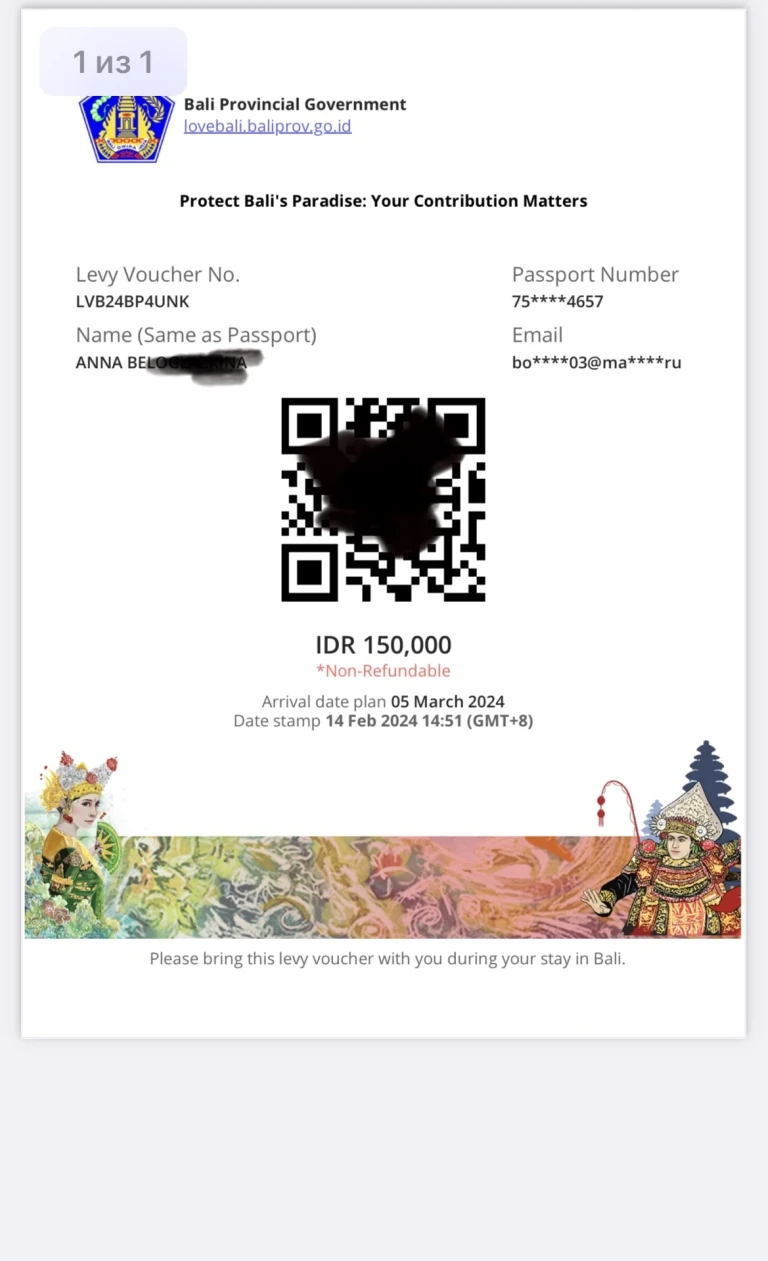
To prepare for the Bali Hotel Local Taxes 2025, travelers should take several steps to ensure they are fully informed and ready for any additional costs. One of the most important actions is to research the specific tax rates that will apply to their chosen accommodation. This information can typically be found on the hotel’s official website or by contacting the hotel directly. In addition, travelers should consider the timing of their trip, as some hotels may offer discounts or promotions to offset the impact of the taxes during off-peak seasons. Another useful strategy is to compare prices across different booking platforms, as some sites may include the taxes in the total cost while others may list them separately. By doing so, travelers can make more informed decisions and potentially save money on their overall travel expenses. Furthermore, it is recommended that travelers allocate extra funds in their budget to account for the possibility of additional costs, ensuring that they are prepared for any unexpected charges. This proactive approach can help minimize stress and enhance the overall travel experience.
Benefits of the New Taxes for Bali and Its Communities

While the Bali Hotel Local Taxes 2025 may seem like an additional burden for travelers, they are intended to bring long-term benefits to the island and its communities. The revenue generated from these taxes will be used to support critical infrastructure projects, such as improving roads, public transportation, and utilities, which can enhance the overall visitor experience. Moreover, the funds will be allocated to environmental conservation efforts, including beach clean-ups, waste management systems, and initiatives to protect Bali’s natural resources. These investments are crucial for maintaining the ecological balance of the island and preserving its beauty for future generations. Additionally, a portion of the tax revenue will be directed towards community welfare programs, such as education, healthcare, and cultural preservation projects, which can improve the quality of life for local residents. By contributing to these initiatives, travelers can feel confident that their spending is helping to support the sustainable development of Bali and its people. This alignment between tourism and community development is a positive step towards creating a more responsible and equitable tourism industry.
Tips for Navigating the New Tax System

Navigating the new tax system in Bali requires a combination of research, communication, and flexibility. One effective tip is to book accommodations through trusted online platforms that provide clear information about additional fees and taxes. Many of these platforms now include the cost of local taxes in the total price, making it easier for travelers to understand the full cost of their stay. Another helpful strategy is to reach out to the hotel’s customer service team before booking to ask about the specific tax rates and whether they are included in the advertised price. This direct communication can prevent misunderstandings and ensure that travelers are fully aware of all potential costs. Additionally, travelers should be open to adjusting their plans if necessary, as some hotels may offer alternative options or flexible payment arrangements to accommodate the new tax requirements. By staying informed and proactive, travelers can navigate the new tax system with confidence and enjoy a more seamless experience in Bali.
Future Implications for Bali’s Tourism Industry

The introduction of the Bali Hotel Local Taxes 2025 is likely to have lasting implications for the island’s tourism industry. As the tax system becomes more established, it may lead to a more structured and regulated approach to tourism, which could benefit both visitors and local businesses in the long run. One potential outcome is that the taxes may encourage hotels to invest in sustainable practices and community engagement initiatives, as these factors could help them attract environmentally conscious travelers. Additionally, the increased revenue from the taxes may enable local authorities to implement more effective tourism management strategies, such as limiting overcrowding in popular areas and promoting lesser-known destinations. These measures could help preserve Bali’s unique charm while ensuring that the benefits of tourism are distributed more evenly across the island. However, there is also a risk that the taxes could deter some travelers, particularly those on a tight budget, from visiting Bali. To mitigate this, the government and hospitality sector may need to work together to find a balance between generating revenue and maintaining the affordability of travel to the island. Overall, the future of Bali’s tourism industry will depend on how well the new tax system is managed and how effectively it supports the island’s long-term goals.