

Bali Hotel News: Exploring the Latest Trends and Updates in International Hospitality has become a focal point for travelers and industry experts alike, as the island continues to evolve into a premier destination for luxury and sustainability. With its unique blend of cultural heritage, natural beauty, and modern amenities, Bali remains at the forefront of global hospitality innovation. From eco-friendly resorts to immersive cultural experiences, the island is redefining what it means to stay in a hotel. This article delves into the latest trends shaping the hospitality landscape in Bali, offering insights into how international standards are being met and exceeded.
The Rise of Sustainable Luxury in Bali
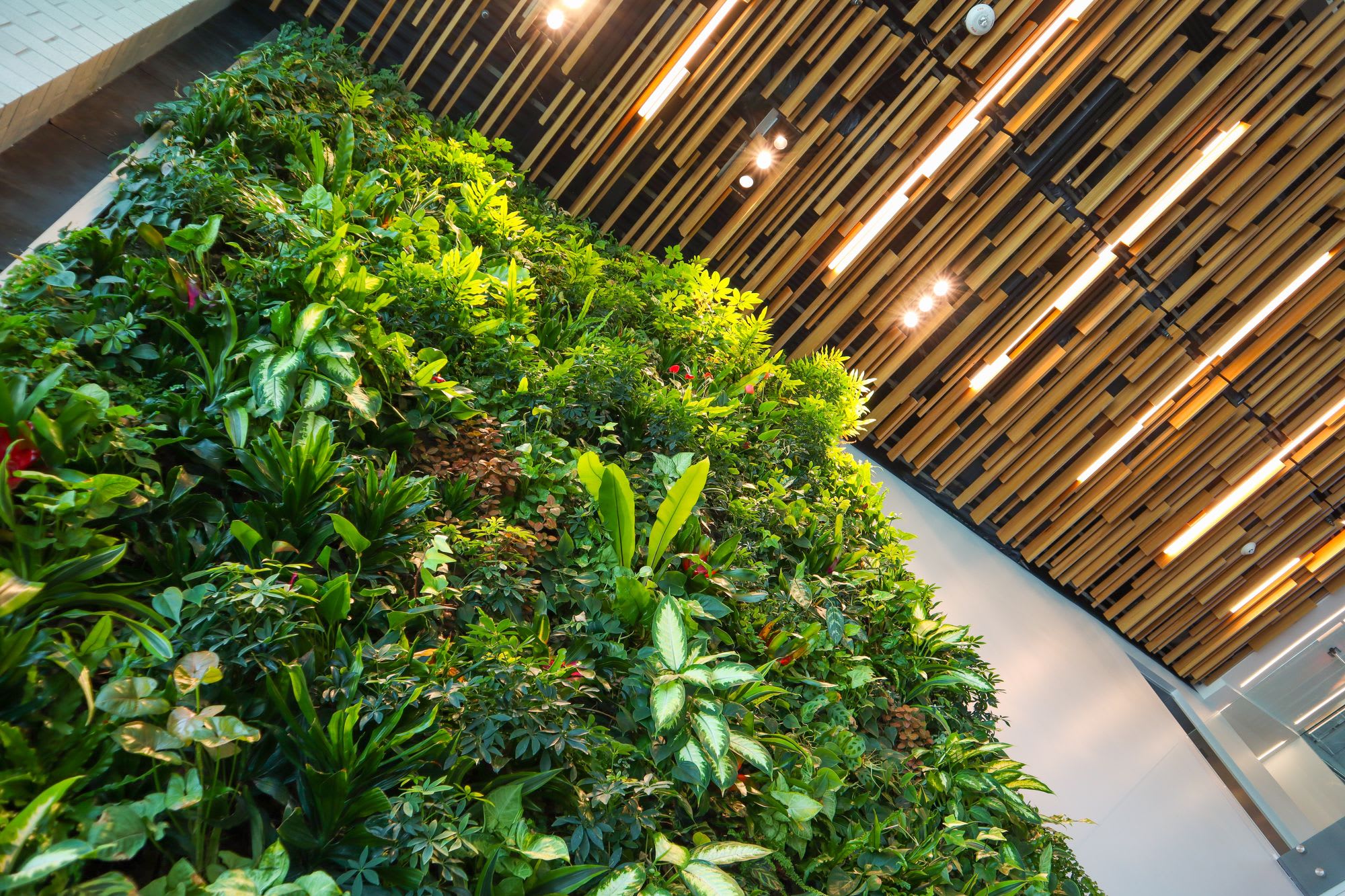
Sustainability has emerged as a cornerstone of the Bali hotel industry, with many properties adopting green practices that align with global environmental goals. Hotels are increasingly prioritizing energy efficiency, waste reduction, and local sourcing of materials and food. For instance, some resorts have implemented solar power systems, rainwater harvesting, and composting programs to minimize their ecological footprint. These initiatives not only appeal to environmentally conscious travelers but also contribute to the long-term viability of the island’s tourism sector.
One notable example is the Amankila in East Bali, which seamlessly integrates with the surrounding landscape while maintaining high standards of comfort and service. The property uses locally sourced materials, supports community development, and offers educational programs for guests on environmental conservation. Such efforts reflect a broader shift in the hospitality industry, where sustainability is no longer an afterthought but a core value.
Cultural Immersion Experiences

Another significant trend in Bali’s hospitality sector is the emphasis on cultural immersion. Guests are no longer satisfied with just a comfortable room; they seek authentic experiences that connect them with the local way of life. Many hotels now offer activities such as traditional dance performances, cooking classes, and spiritual retreats led by local experts. These experiences allow visitors to engage deeply with Balinese culture, fostering a sense of connection and appreciation.
The Four Seasons Resort Bali at Jimbaran Bay exemplifies this approach by incorporating Balinese traditions into its daily operations. From morning yoga sessions on the beach to guided temple visits, the resort ensures that guests gain a comprehensive understanding of the island’s rich heritage. This trend not only enhances the guest experience but also supports the preservation of local customs and crafts.
Technological Innovations in Hospitality

Technology is playing an increasingly vital role in shaping the guest experience in Bali’s hotels. From mobile check-in and digital concierge services to smart room features and AI-driven personalization, hotels are leveraging technology to streamline operations and enhance convenience. These innovations cater to the growing demand for seamless, tech-integrated travel experiences.
For example, the Ayana Resort and Spa in Nusa Dua has introduced a mobile app that allows guests to book spa treatments, order room service, and access personalized recommendations. This level of digital integration not only improves efficiency but also caters to the preferences of tech-savvy travelers. Additionally, some hotels are experimenting with augmented reality (AR) to provide interactive tours and virtual concierge services, further enhancing the overall guest journey.
The Impact of Global Travel Trends on Bali

Global travel trends have had a profound impact on Bali’s hospitality industry, influencing everything from marketing strategies to service offerings. The rise of remote work and digital nomadism has led to an increase in long-stay guests seeking flexible accommodations. In response, many hotels have introduced extended-stay packages, co-working spaces, and wellness-focused amenities to cater to this demographic.
Furthermore, the post-pandemic era has seen a surge in demand for health and safety measures. Hotels in Bali have adapted by implementing rigorous cleaning protocols, contactless services, and enhanced ventilation systems. These measures not only reassure guests but also align with international health standards, reinforcing Bali’s reputation as a safe and hygienic destination.
Collaborations with Local Communities

Collaboration with local communities has become a key strategy for many hotels in Bali, ensuring that tourism benefits both visitors and residents. By partnering with local artisans, farmers, and cultural institutions, hotels can create mutually beneficial relationships that support economic growth and cultural preservation. These partnerships often result in unique offerings that distinguish Bali’s hospitality scene from other destinations.
For instance, the COMO Uma Ubud works closely with nearby villages to source organic produce and promote traditional crafts. The resort also hosts cultural events and workshops that celebrate Balinese artistry, providing a platform for local talent. Such collaborations not only enrich the guest experience but also empower the local community, creating a more inclusive and sustainable tourism model.
The Role of Social Media in Shaping Perceptions

Social media has become an essential tool for promoting Bali’s hotels and shaping perceptions among potential travelers. Platforms like Instagram and TikTok allow hotels to showcase their unique offerings through visually appealing content, attracting a younger, digitally engaged audience. However, the influence of social media also presents challenges, as the pressure to maintain a perfect online image can sometimes overshadow the authenticity of the guest experience.
To navigate this landscape, many hotels are focusing on storytelling and genuine engagement rather than just aesthetics. By sharing behind-the-scenes content, guest testimonials, and local stories, they build trust and foster a deeper connection with their audience. This approach not only enhances brand loyalty but also encourages responsible tourism practices.
Future Outlook for Bali’s Hospitality Industry
Looking ahead, the future of Bali’s hospitality industry appears promising, with continued investment in sustainability, technology, and cultural experiences. As the global travel market evolves, Bali is well-positioned to adapt and thrive, offering a unique blend of luxury, authenticity, and innovation. The island’s ability to balance modernity with tradition will be crucial in maintaining its appeal to a diverse range of travelers.
Moreover, the ongoing development of infrastructure, including improved transportation and connectivity, will further enhance the visitor experience. With a commitment to excellence and a deep respect for its cultural roots, Bali is set to remain a leading destination in the international hospitality landscape.
Conclusion
In conclusion, Bali’s hotel industry continues to evolve, driven by a combination of sustainability, cultural immersion, technological innovation, and community collaboration. As the island adapts to changing global trends, it remains a beacon of excellence in international hospitality. Whether through eco-friendly practices, immersive experiences, or cutting-edge technology, Bali is redefining what it means to travel and stay in a luxury setting. For travelers and industry professionals alike, the latest developments in Bali’s hospitality sector offer valuable insights into the future of the global tourism industry.